
Franz and Meck’s Uneasy Loyalty
Berlin AlexanderplatzThis thread follows Franz and Meck from warm companionship through moral disagreement, disappearance, and a cautious return to friendship after Franz’s injury.
increasing Bearing strength in each event
 decreasing
Bearing strength in each eventdecreasingA Friend at the Beginning

Meck Offers a Way Forward
Advice about survival
Meck meets Franz after his release and urges him to avoid both factory work and unemployment relief, recommending street trade instead. His advice is practical and reflects a working man’s knowledge of how difficult it is to secure steady income.
Affection without solemnity
Their friendship is expressed through teasing, shared drinks, and an effort to make Franz feel that he still belongs among ordinary people. Meck’s humor can be blunt, but it provides a social bridge for a man overwhelmed by his return to Berlin.
Franz values Meck’s company even when he resists the advice. At this stage, their differences remain manageable because friendship gives them room to argue without ending the relationship.
The Question of Respectability
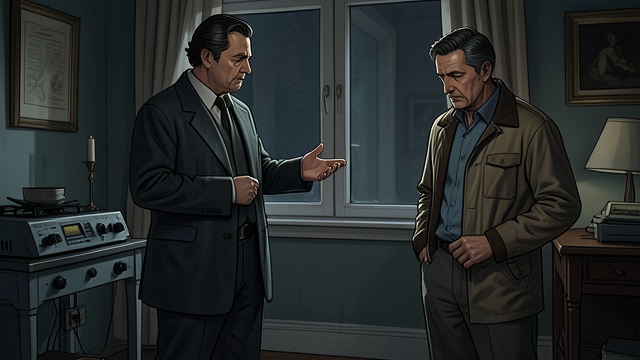
Friendship Under Debate
Meck’s practical counsel
Meck presses Franz to choose a reliable way to earn money, while Franz worries about whether the trade is truly respectable. Their discussion reveals different forms of insecurity: Meck emphasizes survival, while Franz remains preoccupied with the vow he has made to live decently.
What solidarity demands
The tension sharpens when Meck challenges Franz’s decision to withdraw from political and collective life. Franz argues that an ordinary working man should avoid courts, politics, and dangerous causes; Meck sees this as cowardice that leaves everyone vulnerable.
The disagreement does not erase their affection. It shows that their friendship carries competing ideals: private self-preservation for Franz and shared responsibility for Meck.
Meck Searches for Franz
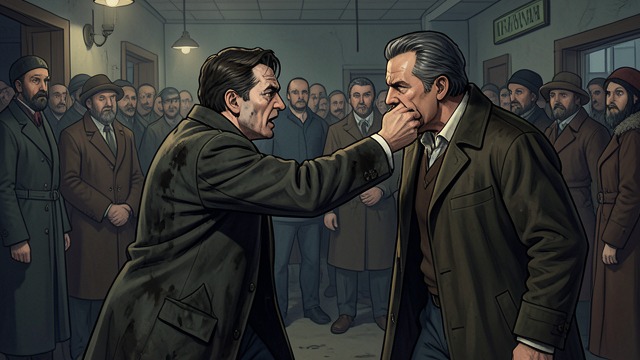
Loyalty After a Collapse
An unexplained disappearance
After learning of the widow’s letter, Franz withdraws from his usual life and disappears. Meck cannot initially understand why he has left and refuses to accept the easy explanation that Franz has simply chosen to abandon his friends.
Pressure becomes violence
Meck searches for answers and confronts Otto Lüders, eventually beating him in the hope that he will reveal what happened. The act is an imperfect expression of loyalty: Meck is frightened for Franz and angry at being shut out, but his violence also mirrors the coercive world he wants to oppose.
Despite the search, Meck cannot find Franz. Their friendship is suspended by Franz’s shame and isolation rather than ended by indifference.
Distance After the Injury

A Changed Reunion
Meck hesitates
When Franz and Meck meet again, their old warmth is missing. Meck looks away and avoids asking directly about the missing arm, while Franz interprets the silence as evidence that Meck has heard accusations about his involvement with Pums’s gang.
A friendship tested by silence
Franz does not explain how Reinhold threw him from the car or why he refuses to name his attackers. He ends the encounter before Meck can ask more, protecting his code of silence at the cost of an honest conversation.
Meck is left dissatisfied with himself, aware that he has failed to reach his friend. Their attachment remains, but it is now blocked by shame, suspicion, and the secret Franz has chosen to keep.
Friendship at the Trial

Loyalty After Loss
Meck’s concern remains
Meck’s place in Franz’s life is less visible after the injury, but the history of their friendship persists beneath Franz’s estrangement from his former circle. The violence surrounding Reinhold and Mieze has made open solidarity difficult, while Franz has retreated into grief and confusion.
A bond altered rather than erased
When Franz appears in the legal aftermath, his capacity for ordinary friendship has been changed by his breakdown and by what he has learned. Meck represents a world of working companionship that Franz once believed he could leave behind without consequence.
Their thread remains unresolved in the novel’s closing movement. The friendship matters precisely because it is neither a simple rescue nor a clean reconciliation: it demonstrates how shared life can be weakened by silence, yet still offer a possibility of belonging.
Soon after Franz’s release from Tegel
Late 1927, during Franz’s attempt to start trading
After Lüders robs the widow and Franz disappears
Summer 1928, after Franz returns to Berlin without his right arm
The winter of 1928–29, during Reinhold’s trial
